Tauri: The Lightweight Rebel of Desktop App Frameworks
🎯 Introducton: Part 1
For years, Electron sat squarely in the middle of the tension between developers wanting web technologies and users wanting native performance. Developers loved Electron’s promise: one codebase, cross-platform reach, and the familiar comfort of web technologies. But the trade-off was heavy — every app shipped with its own Chromium instance, ballooning installers and consuming memory like a browser with too many tabs open.
Then Tauri showed up and politely asked: What if we didn’t ship an entire browser with every app?
That question is Tauri’s origin story — and the reason developers today can build lighter, faster, more secure desktop apps without sacrificing modern tooling. By leaning on the system’s native webview instead of bundling a full browser, Tauri flips the equation: smaller binaries, lower RAM usage, and tighter security boundaries.
Electron proved the model was viable. Tauri refined it into something sustainable. And that shift is reshaping how we think about desktop apps in 2025 — not just as web wrappers, but as lean, native‑feeling experiences that respect both the developer’s workflow and the user’s machine.
🏋️ Electron: The Heavyweight Pioneer
Electron deserves credit for proving that web technologies could power desktop apps. It gave developers a familiar stack — HTML, CSS, JavaScript — wrapped in Chromium plus Node.js. The result was a flood of apps like VS Code, Slack, and Discord.
But the trade-offs were clear:
- Large installers (hundreds of MBs).
- High memory usage, since each app carried its own browser.
- Security concerns, with broad access to system APIs.
Electron was revolutionary, but it came at a cost.
🪶 Tauri: The Lightweight Challenger
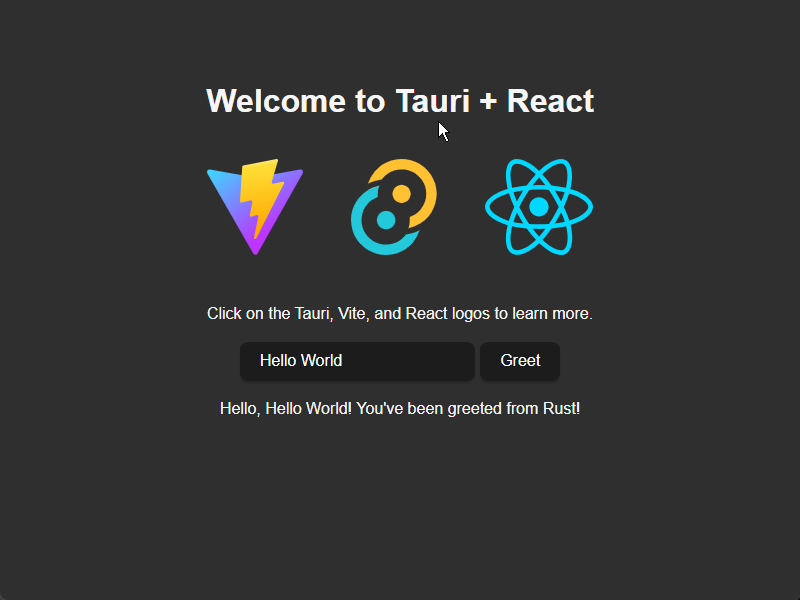
Tauri flipped the model. Instead of bundling Chromium, it uses the system’s native webview (WebKit on macOS, WebView2 on Windows, WebKitGTK on Linux). That means:
- Tiny binaries (often <10 MB).
- Lower RAM usage, since apps share the system’s browser engine.
- Stronger security, with a permissions model that limits what the app can touch.
It’s not just smaller — it’s more deliberate. Tauri’s Rust core gives developers fine‑grained control, while still letting them build UIs with React, Vue, Svelte, or whatever frontend they love.
⚡️Where Each Still Shines
Electron: unmatched ecosystem, mature tooling, and proven at scale. If you need cross-platform features with tons of libraries, it’s still a safe bet.
Tauri: ideal for lean apps, indie projects, or teams that care about performance and security. It’s newer, but growing fast.
🎯 The Bigger Picture
Electron showed us what was possible. Tauri showed us what was sustainable. Together, they mark a shift in how we think about desktop apps: not bloated web wrappers, but native-feeling experiences built with the web’s agility.
Part 2 is Coming Soon…